
Cracked Teeth Treatment in Newark, Christiana & Pike Creek, DE
Cracked teeth treatment in Newark, Christiana & Pike Creek, DE, helps repair damaged teeth, relieve pain, and prevent further complications.
Cracked Teeth Treatment Near You for Teeth That Need Attention
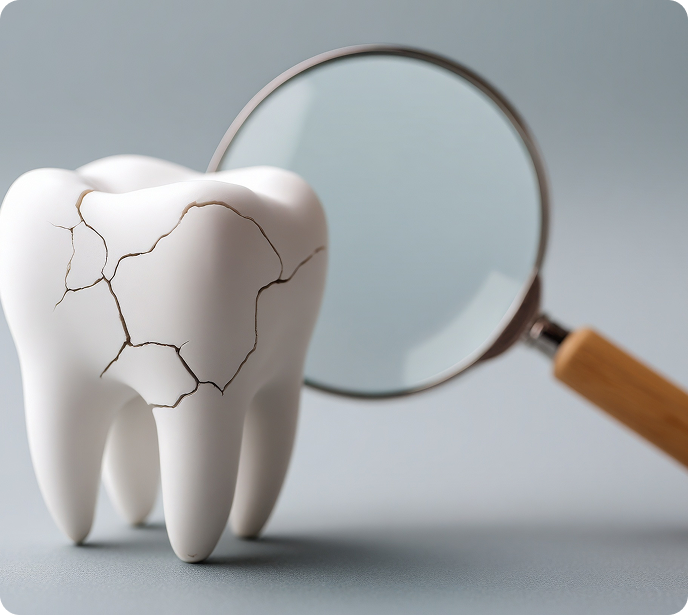
A cracked tooth can be difficult to ignore and sometimes difficult to identify. You may notice pain when biting, sensitivity to hot or cold, or discomfort that seems to come and go. Other cracks may produce little or no obvious symptoms. Progressive Dental Arts evaluates cracked and damaged teeth to determine the extent of the problem and whether the tooth can be preserved. Patients in Newark, Christiana, and Pike Creek, DE can receive an individualized assessment and treatment plan based on the location and severity of the crack.
Understanding Cracked Teeth
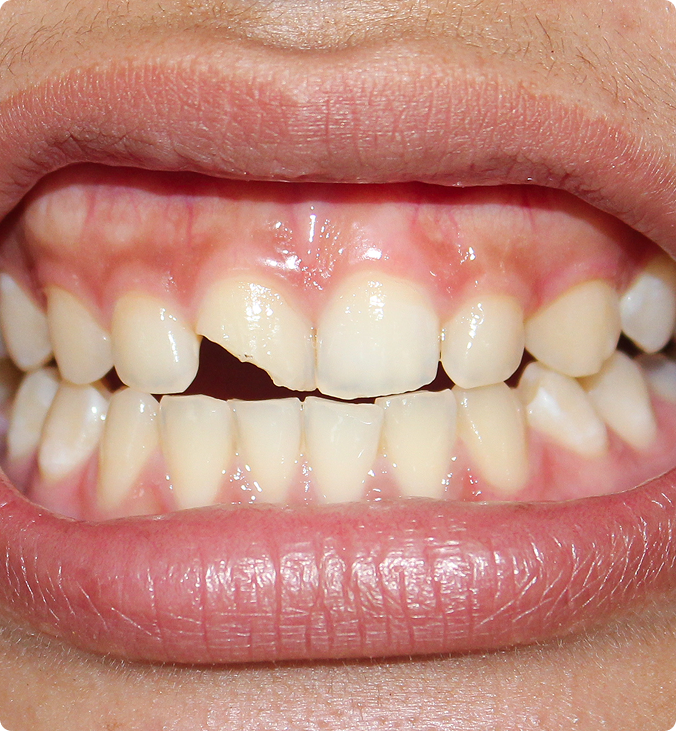
A cracked tooth can take several forms. Some cracks affect only the outer enamel, while others extend deeper into the tooth. The treatment required depends heavily on where the crack is located, how far it extends, and whether the tooth's inner tissues or root are involved.Symptoms can include sharp pain when chewing, sensitivity that lingers after eating or drinking something hot or cold, discomfort when releasing your bite, or swelling around the tooth. However, symptoms aren't always consistent. A crack can sometimes be difficult to pinpoint because the discomfort may appear only under certain biting conditions.
During an evaluation, your dentist examines the tooth and surrounding tissues and may use dental X-rays or other diagnostic methods when appropriate. The goal is to determine whether the tooth is cracked, how extensive the damage may be, and whether it can be predictably restored.
Treatment may range from monitoring a minor crack to placing a restoration that protects the tooth. If the crack has affected the pulp, root canal treatment may be necessary before the tooth is restored. In teeth that cannot be predictably saved, extraction may ultimately be considered.
%203.png)
Why Choose Cracked Teeth Treatment?
A cracked tooth can become more difficult to treat if the damage progresses. Continued biting forces may cause an existing crack to extend, potentially compromising additional tooth structure.Getting an evaluation early gives your dentist an opportunity to determine what is happening before assuming the tooth simply needs to be removed. Depending on the crack, treatment may focus on protecting the remaining tooth structure and preventing additional damage.
Dr. Rodney Kryzhanovskiy, D.M.D. and Dr. Lavinia Wu, D.M.D. can assess the affected tooth and explain whether a crown, root canal treatment, monitoring, extraction, or another approach is appropriate.
Benefits of Cracked Teeth Treatment
- Identifies the source of discomfort
A dental evaluation can help determine whether a crack is contributing to pain or sensitivity.
- Protects remaining tooth structure
Appropriate restorative treatment can help stabilize a tooth when enough healthy structure remains.
- Addresses the problem early
Prompt evaluation may provide more treatment options before a crack becomes more extensive.
- Preserves natural teeth when possible
Some cracked teeth can be restored rather than removed, depending on the location and severity of the damage.
- Restores everyday function
Treatment can help a damaged tooth return to useful chewing function when it can be predictably repaired.
- Reduces uncertainty
A professional evaluation can clarify the condition of the tooth and what treatment options are available.
Don't Keep Guessing About That Painful Tooth
Pain that appears when you bite or unexplained sensitivity can be a reason to have a tooth evaluated, particularly when the symptoms keep returning. Progressive Dental Arts can assess the tooth and help determine the appropriate next step. Serving Newark, Christiana, and Pike Creek, DE, our practice can help you understand whether your cracked tooth can be treated and how to protect it moving forward
Find Dental Care That’s Convenient for You
Your dental care should fit into your life and not require a long trip across town. With multiple Progressive Dental Arts locations, you can choose a dental office that's convenient for where you live, work, or spend your time.
.png)
Dental care for patients in Newark
and nearby communities.
Convenient dental care for patients in and around the Christiana area.
Comprehensive dental care for patients in Pike Creek and neighboring communities.
Cracked Teeth Treatment FAQs
Possible signs include pain when biting, sensitivity to hot or cold, intermittent discomfort, pain when releasing your bite, or swelling around the affected tooth. Some cracks cause few noticeable symptoms.
A structural crack in a tooth does not generally heal itself like a cut on the skin. Treatment or monitoring depends on the type and severity of the crack.
Some cracked teeth can be restored, while others cannot be predictably maintained. The location and depth of the crack are important factors in determining whether the tooth can be preserved.
A crown may be used to protect and restore certain cracked teeth when enough healthy tooth structure remains. Your dentist will determine whether a crown is appropriate.
Avoid chewing hard foods on the affected side and arrange a dental evaluation. If you develop significant swelling, severe pain, or other urgent symptoms, seek prompt dental care.
.svg)
.svg)


.svg)