
TMJ/TMD Treatment in Newark, Christiana & Pike Creek, DE
TMJ/TMD treatment in Newark, Christiana & Pike Creek, DE, helps address jaw pain, discomfort, clicking, and other temporomandibular concerns.
When Jaw Pain Starts Affecting Everyday Life
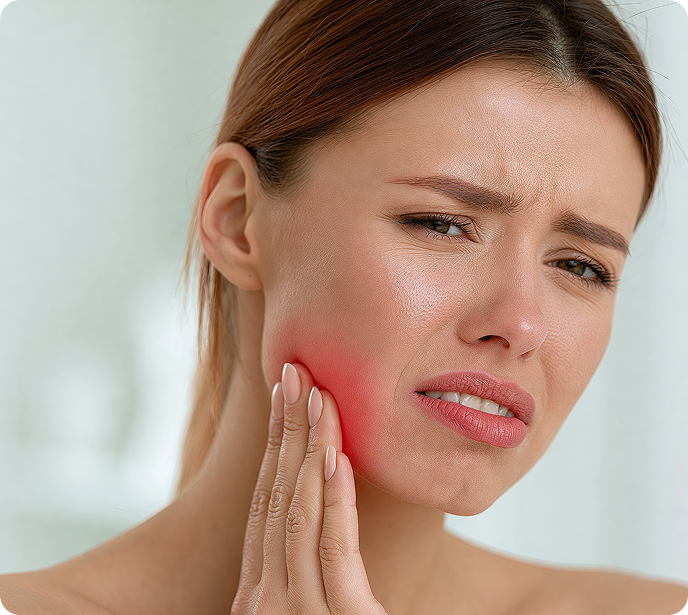
Jaw discomfort can show up in ways that are easy to overlook a sore jaw after waking up, clicking when you chew, headaches that seem to have no obvious cause, or difficulty opening your mouth comfortably. Progressive Dental Arts provides evaluation and care for TMJ/TMD, a group of conditions involving the temporomandibular joints and the muscles responsible for jaw movement. Patients in Newark, Christiana, and Pike Creek, DE can receive an individualized assessment to better understand what may be contributing to their symptoms.
Understanding TMJ and TMD
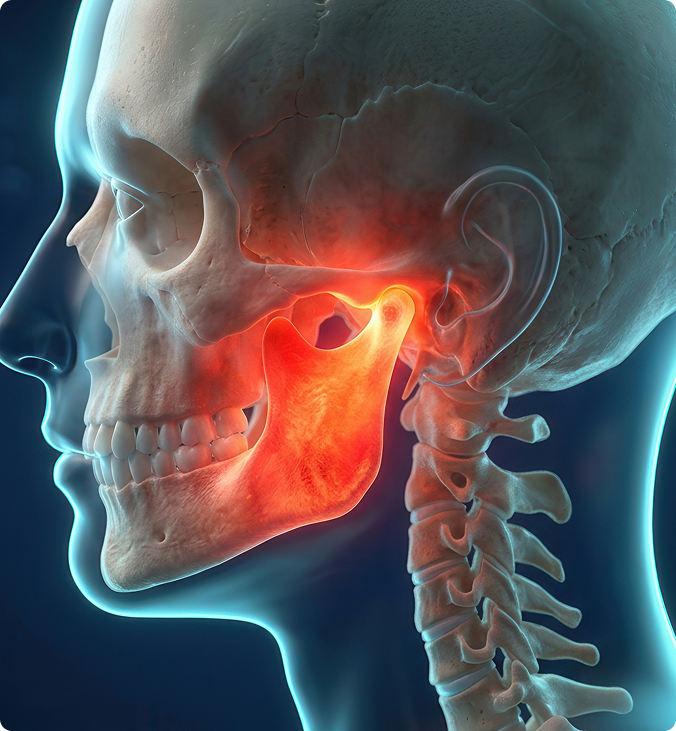
The temporomandibular joints, commonly called the TMJs, connect your lower jaw to your skull and allow your jaw to move for speaking, chewing, and other everyday activities. TMD, or temporomandibular disorder, refers to problems affecting these joints, the surrounding muscles, or both.
Symptoms can vary considerably from one person to another. Some people experience jaw tenderness or facial discomfort, while others notice clicking or popping, limited jaw movement, headaches, ear-area discomfort, or pain while chewing. Teeth grinding or clenching, an injury, changes affecting the jaw joint, and other factors may contribute to TMD.A thorough evaluation helps determine whether your symptoms are related to the TMJ or another dental or medical issue. Dr. Rodney Kryzhanovskiy, D.M.D. and Dr. Lavinia Wu, D.M.D. can assess your symptoms and jaw function before discussing appropriate treatment options.
Treatment depends on the underlying problem and how significantly it is affecting you. Depending on your circumstances, care may involve conservative measures, an oral appliance, or other treatment approaches.
%203.png)
Why Choose TMJ/TMD Treatment?
Jaw symptoms can become frustrating when they interfere with eating, speaking, sleeping, or simply opening and closing your mouth comfortably. Identifying the potential source of the problem is an important first step because jaw pain can have several possible causes.
Rather than treating every case of TMD in exactly the same way, an individualized evaluation can help determine what may be contributing to your symptoms and which treatment approach makes sense. In many cases, conservative care is considered before more involved options.
Benefits of TMJ/TMD Treatment
- Identifies potential sources of jaw discomfort
An evaluation can help determine whether the TMJ, jaw muscles, or another issue may be contributing to your symptoms.
- Addresses functional concerns
Treatment may help with difficulties involving chewing, jaw movement, or opening the mouth.
- May reduce jaw-related discomfort
Appropriate treatment can help manage symptoms associated with TMD.
- Personalized treatment planning
Your care can be based on your symptoms, jaw function, dental history, and individual needs.
- Can address clenching or grinding
When these habits contribute to symptoms, your dentist can discuss appropriate management options.
- Supports more comfortable daily activities
Managing TMD symptoms may make activities such as eating and speaking more comfortable.
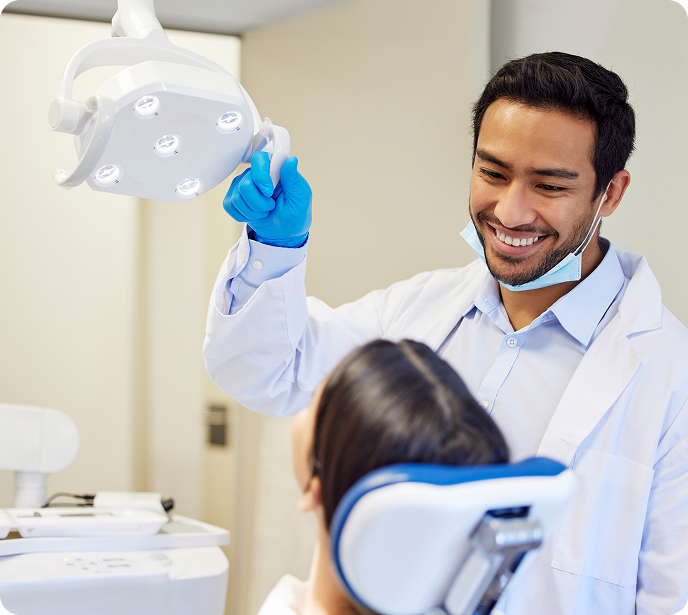
TMJ/TMD Treatment Near You in Newark, Christiana & Pike Creek, DE
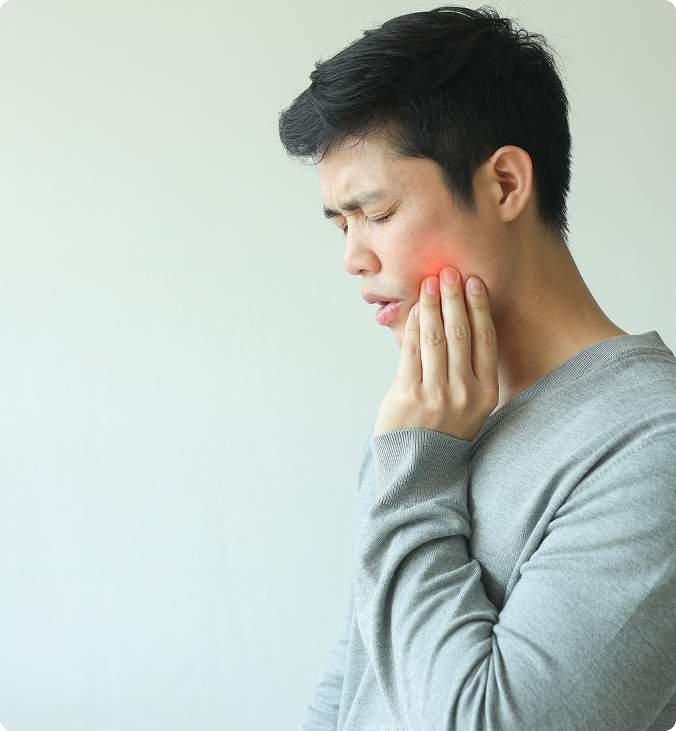
You don't have to ignore recurring jaw pain, clicking, stiffness, or difficulty moving your jaw. Progressive Dental Arts can evaluate your symptoms and help determine whether TMJ/TMD treatment may be appropriate. Serving Newark, Christiana, and Pike Creek, DE, our team can help you understand your symptoms and discuss the next steps for care.
Find Dental Care That’s Convenient for You
Your dental care should fit into your life and not require a long trip across town. With multiple Progressive Dental Arts locations, you can choose a dental office that's convenient for where you live, work, or spend your time.
.png)
Dental care for patients in Newark
and nearby communities.
Convenient dental care for patients in and around the Christiana area.
Comprehensive dental care for patients in Pike Creek and neighboring communities.
TMJ/TMD FAQs
Symptoms may include jaw pain or tenderness, clicking or popping, difficulty opening the mouth, headaches, facial discomfort, or pain while chewing. Symptoms vary between individuals.
Clenching and grinding can place additional stress on the jaw muscles and joints and may contribute to TMD symptoms in some people.
Not necessarily. Jaw sounds can occur without significant pain or dysfunction. An evaluation is useful if clicking is accompanied by discomfort, limited movement, or other symptoms.
Treatment depends on the cause and severity of the problem. Options may include conservative care, behavioral changes, oral appliances, or other approaches based on your individual evaluation.
Consider an evaluation if jaw discomfort persists, interferes with eating or speaking, limits your jaw movement, or occurs alongside other concerning symptoms. A dental evaluation can help determine what may be causing the problem.
.svg)
.svg)


.svg)