
Gum Disease Treatment in Newark, Christiana & Pike Creek, DE
Lorem ispum Lprmisp Lorem ipsum dolor sit amet, consectetur adipiscing elit, sed do eiusmod tempor incididunt ut labore et dolore .
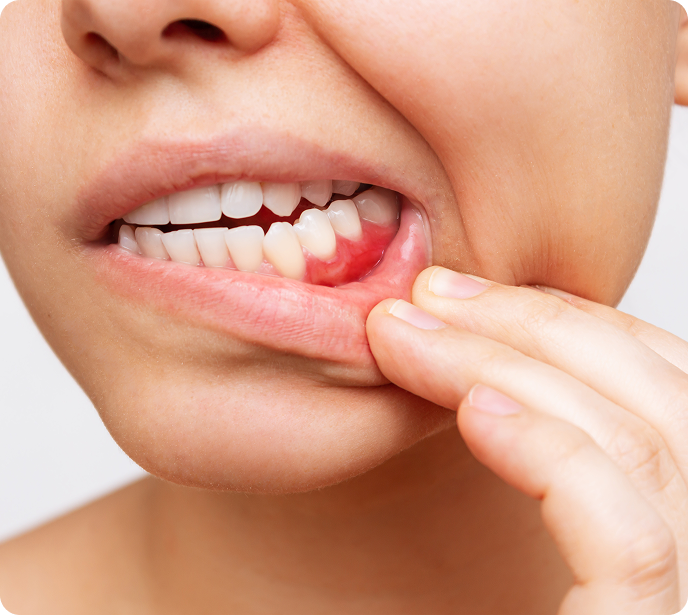
Gum Disease Treatment Near You for Healthier Gums
Bleeding when you brush, persistent bad breath, tender gums, or changes in how your teeth feel can sometimes point to a problem with your gums. Gum disease can develop gradually, and its early stages may not cause much discomfort. Progressive Dental Arts provides gum disease treatment based on the condition of your gums and the tissues supporting your teeth. Patients in Newark, Christiana, and Pike Creek, DE can receive an evaluation to determine the extent of the problem and what type of periodontal care may be appropriate.
What Gum Disease Treatment Involves
Gum disease, also called periodontal disease, begins when bacteria and plaque accumulate around the teeth and irritate the gum tissue. Early gum disease, known as gingivitis, can cause redness, swelling, and bleeding. Without appropriate care, it can progress into periodontitis, which can affect the tissues and bone that support the teeth.
Treatment depends on how advanced the disease is. Mild gum inflammation may respond to improved oral hygiene and professional dental cleanings. More established periodontal disease may require a deeper cleaning below the gumline, commonly referred to as scaling and root planing, to remove plaque and hardened deposits from affected areas.
Your dentist may also evaluate factors that could be contributing to ongoing gum problems, such as inconsistent oral hygiene, smoking, certain health conditions, or difficulty cleaning around existing dental work.
Dr. Rodney Kryzhanovskiy, D.M.D. and Dr. Lavinia Wu, D.M.D. can assess the health of your gums and supporting tissues and recommend treatment based on the severity of the periodontal condition.

%203.png)
Why Choose Gum Disease Treatment?
Gum disease can progress without producing severe pain, which makes routine evaluation particularly important. As periodontal disease advances, the gums can pull away from the teeth and supporting bone can be lost. In more advanced cases, teeth may become loose.
Treating gum disease is therefore about more than addressing bleeding gums. The goal is to control the infection and inflammation, improve the health of the tissues surrounding your teeth, and help prevent further periodontal damage.Early intervention can also make treatment more manageable. The appropriate approach depends on how much the disease has progressed and how your gums respond to treatment.
Benefits of Gum Disease Treatment
- Controls periodontal infection and inflammation
Treatment addresses the bacteria and deposits contributing to gum disease.
- Supports healthier gums
Professional periodontal care can help reduce swelling, redness, and bleeding associated with gum inflammation.
- Helps protect supporting tissues
Treating periodontal disease can help manage the processes that contribute to bone and tissue loss.
- Improves oral hygiene access
Removing buildup from around and beneath the gumline can make affected areas easier to maintain.
- May help preserve natural teeth
Managing gum disease can support the tissues responsible for keeping teeth stable.
- Provides ongoing periodontal monitoring
Regular follow-up allows your dental team to assess how your gums respond and adjust care when necessary.


Don't Wait for Bleeding Gums to Become a Bigger Problem
Bleeding or swollen gums aren't something you simply have to accept as normal. Progressive Dental Arts can evaluate your gums, determine whether periodontal disease is present, and recommend care based on its severity. Serving Newark, Christiana, and Pike Creek, DE, the practice can help you take action before gum problems progress further.

Find Dental Care That’s Convenient for You
Your dental care should fit into your life and not require a long trip across town. With multiple Progressive Dental Arts locations, you can choose a dental office that's convenient for where you live, work, or spend your time.
.png)
Dental care for patients in Newark
and nearby communities.
Convenient dental care for patients in and around the Christiana area.
Comprehensive dental care for patients in Pike Creek and neighboring communities.
Gum Disease Treatment FAQ's
Common signs include red or swollen gums, bleeding during brushing or flossing, persistent bad breath, gum tenderness, gum recession, and changes in how teeth fit together. Advanced disease can cause loose teeth.
Early gingivitis can often be reversed with appropriate professional care and improved daily oral hygiene. Periodontitis involves damage to supporting tissues and requires treatment to control the disease and prevent further progression.
Gum disease is primarily associated with plaque bacteria accumulating around the teeth and gumline. Other factors, including tobacco use, certain medical conditions, medications, genetics, and oral hygiene habits, can also influence periodontal health.
Scaling and root planing is a deeper professional cleaning used to remove plaque and hardened deposits from below the gumline and smooth affected root surfaces when periodontal disease requires more than a routine cleaning.
Advanced periodontal disease can damage the bone and tissues that support teeth, which can eventually lead to tooth mobility and tooth loss. Treating periodontal disease can help manage this risk.
Consistent brushing and interdental cleaning, regular professional dental care, and following your dentist's recommended periodontal maintenance schedule can help manage gum health. If you use tobacco, reducing or stopping use can also benefit your gums.

.svg)
.svg)


.svg)